
If your organization wants to turn real-world outcomes into donor momentum, nothing beats a well-crafted testimonial. This guide walks you through the full process—from prep to publish—to ensure your nonprofit testimonial videos feel human and look cinematic. Our video production services near you can help move supporters to act.
1) Clarify the mission of the video:
Start with one clear purpose. Are you trying to increase monthly donors, energize volunteers, or win a corporate partner? Write a one-sentence goal (“Convert 200 email subscribers into $25/month givers”) and a primary audience (“lapsed donors who care about youth arts”). This keeps all creative decisions aligned.
2) Choose the right voices (and get releases):
Shortlist 3–5 interviewees who directly experienced the change you deliver—alumni, clients, caregivers, front-line staff, even a skeptical donor who became a champion. Secure written consent and location permissions early. Pro tip: Pre-interview by phone to surface vivid, specific stories (turning “the program helped” into “I learned the skill to get a better job to support my family”).
3) Shape a simple story spine:
Every moving piece of impact story videos follows a basic arc:
- Before: The problem in one sentence, grounded in a face.
- Breakthrough: The moment help arrived; who showed up; what changed.
- After: Tangible outcomes (jobs gained, homes repaired, graduation achieved).
- Call to action: One next step—donate, volunteer, share.
Write a soft outline, not a script. You’re curating truth, not staging it.
4) Scout smart—and know your permits:
Pick meaningful locations: a quiet classroom, a clinic hallway, a home doorway where transformation began. For outdoor shots, bring shade and backup interiors.
Texas-savvy tip: In Austin, filming on public property (roads, sidewalks, parks) generally requires city permits; meanwhile, productions entirely on private property in Texas typically don’t need a state film permit (owner permission still required).
5) Light, frame, and listen like a pro:
- Sound first. Poor-quality sound can be a distraction; monitor with headphones.
- Light kindly. Face your subject toward a window or use a soft key light.
- Frame with purpose. Compose at eye level, headroom balanced, consider switching between medium-close ups and close-ups for variety or even shoot with two cameras/
- B-roll checklist. What footage can be helpful to tell the story? Stock footage could be helpful if time and locations are limited.
Texas-savvy tip: Summer shoots can be brutally hot—plan early call times, shade, and hydration breaks to protect your team and talent. (State guidance emphasizes frequent water and heat-safety planning.)
6) Conduct interviews that unlock emotion:
Start with easy, factual questions. Then invite story:
- “Take me back to the day before you found us—what was hardest?”
- “When did you realize things were changing?”
- “If you could talk to a donor watching this, what would you say?”
Coach for complete sentences and present-tense storytelling (“I’m standing in the pantry, and the phone rings…”). Remember, the audience won’t hear your question. You know their story and what you want to portray. Help them get there.
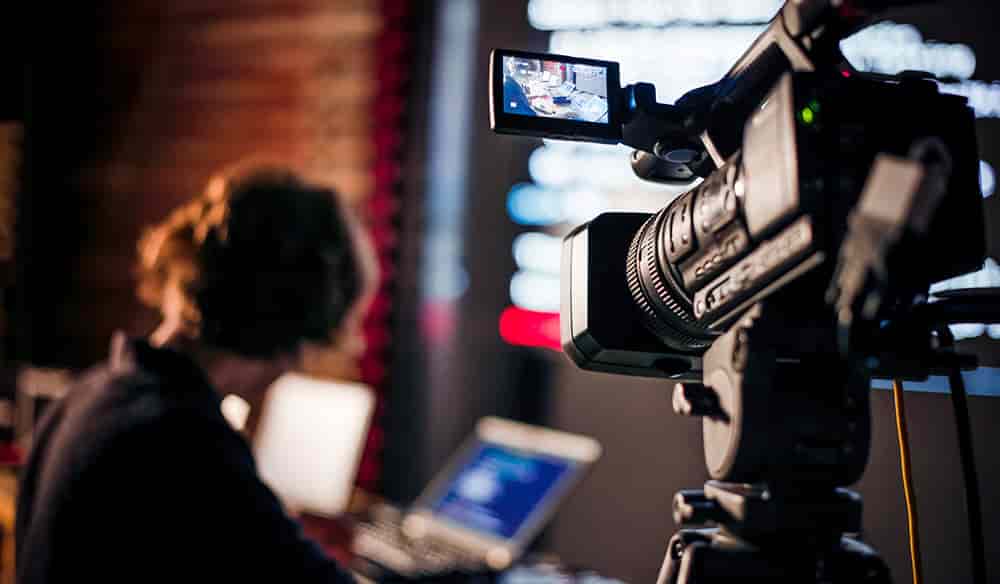
7) Edit for momentum and meaning:
Prioritize clarity over comprehensiveness. Set a target length based on your goal, the viewing setting (an event or online?), and the audience. Sequence the arc (Before → Breakthrough → After → CTA), layer in B-roll to cover cuts, and keep text as minimal as possible. Do you need a narrator to help move the story along and fill in some blanks? . Add captions for accessibility.Want to see how different cuts and formats look in the wild? Browse a range of narrative pieces in this portfolio of recent work, a showcase of our recent nonprofit video production services (for inspiration on pacing and visuals).
8) Publish with purpose (not just posts):
- Time the drop. Tie releases to your campaign calendar and giving moments (see the NTX example above).
- Embed where it converts. Place the video on your donation page and in your welcome email.
- Multiply the asset. From the master edit, cut shorter testimonials around themes (adoption, housing, scholarships).
- Track outcomes. Measure completion rate, clicks to donate, and revenue per view—not just likes.
If you’re mapping deliverables (captions, multi-aspect exports, audio description), this overview of services from a video production agency is a helpful checklist to compare with your plan.
Texas context that helps your story land:
Texas hosts more than ~130,000 nonprofits statewide, with many small, young organizations—meaning concise, emotionally clear stories are your edge in a crowded donor landscape.
FAQ:
Q1: How do you get compelling video testimonials from nonprofit beneficiaries?
Getting compelling video testimonials from nonprofit beneficiaries starts well before the shoot. The most important step is a pre-interview phone call—not to write a script, but to surface the specific, vivid details that make a testimonial feel real. Ask your subject to tell you the story in their own words, listen for the moment things changed, and note any phrases that are emotionally precise (“I could finally pay rent without choosing between groceries and rent” is more powerful than “things got better”). On shoot day, begin with easy factual questions to settle nerves, then move into story prompts: “Take me back to the day before you found us—what was hardest?” and “When did you first notice things were changing?” Coach for complete sentences and present-tense storytelling so the edit can stand alone without your questions. Prioritize sound quality above everything—a moving story in poor audio loses half its power. Frame at eye level with natural window light or a soft key, and capture B-roll of hands, objects, and places that anchor the story visually. For sensitive populations, always offer off-camera audio options, avoid identifying details where safety is a concern, and provide subjects the chance to review before you publish. The goal is curated truth, not performance—donors can tell the difference, and authenticity is what drives giving.
Q2: How do nonprofit organizations choose the right video production company?
Nonprofits should choose a nonprofit video production partner based on relevant experience, storytelling quality, and a strong portfolio that shows real impact. It’s also important to consider budget alignment, communication, and their ability to understand your mission and audience.
Q3: What’s the difference between client story videos and testimonials?
They’re cousins. client story videos often span a broader journey (mission, services, outcomes) while a testimonial centers one person’s before/after transformation—perfect for donation pages and appeals.
Q4: What makes video testimonials effective for nonprofit fundraising and donor conversion?
Video testimonials are effective for nonprofit fundraising because they deliver something no statistic or case study can—a real person’s face, voice, and emotional truth at the exact moment a donor is deciding whether to give. The most effective nonprofit testimonial videos follow a clear three-part arc: before (the problem in one sentence, grounded in a specific person), breakthrough (the moment your organization showed up and what changed), and after (a tangible outcome—a job, a home, or a graduation). This structure gives donors something concrete to fund, not a vague sense of good work. Placement matters as much as content. Embedding the video directly on your donation page, inside your welcome email sequence, and as the centerpiece of a gala opener significantly lifts conversion compared to social-only distribution. Length matters too—a 60 to 90-second hero cut performs best for donation pages and email; a 15 to 30-second teaser drives social click-through; a 3 to 5-minute director’s cut holds an event audience. Finally, every testimonial should end with one clear call to action—donate, volunteer, or share—so the emotional momentum the video builds has somewhere to go immediately.
Q5: What are the key elements that make a nonprofit film impactful?
An impactful nonprofit video production combines authentic storytelling, real beneficiary voices, and a clear emotional arc that shows both the problem and the impact of support. Strong visuals, concise messaging, and a compelling call-to-action help drive engagement and donations.
Final checklist (copy/paste):
- Single-sentence goal + target audience
- Confirmed interviewees + signed releases
- Permit plan + weather plan
- Story spine + must-have B-roll list
- Captions + vertical/horizontal exports
- Publish calendar aligned to giving moments
- One clear CTA everywhere the video lives